
Guide Summary
Renting a car straight from Tangier Ibn Battouta Airport (TNG) is the easiest and most liberating way to discover northern Morocco. From the wild Atlantic coastline to the scenic Strait of Gibraltar road, the blue streets of Chefchaouen, and the historic Medina of Asilah, having your own wheels gives you total freedom.
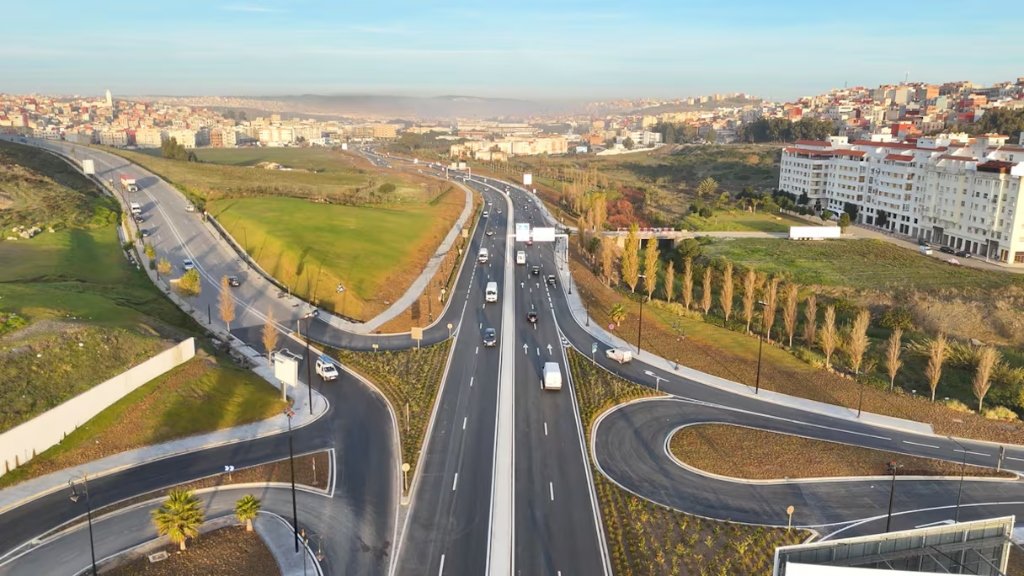
However, driving in Morocco has specific local rules, frequent police checkpoints, modern speed cameras, and toll motorways. Here is your essential guide to navigating Moroccan roads safely and confidently.
1. Can You Drive in Morocco with a Foreign License?
Yes, absolutely. If you are visiting Morocco as a tourist or on a temporary stay (under one year), your national driver’s license (US, UK, Canadian, EU, Australian, etc.) is fully valid and recognized by law.
- An International Driving Permit (IDP) is not mandatory if your license is written in the Latin alphabet, though having one can be helpful at checkpoints.
- When picking up a rental car, you must present your physical plastic driver’s license (digital licenses on smartphones or photocopies are not accepted) along with your passport.
2. Highway Network from Tangier Airport
Tangier Airport is directly connected to Morocco’s modern highway infrastructure:
- A1 Motorway (Tangier ➔ Asilah ➔ Larache ➔ Rabat ➔ Casablanca): A smooth, well-lit, dual-carriageway toll highway. Takes about 40 minutes to Asilah and 2 hours 15 minutes to Rabat.
- A4 Motorway (Tangier ➔ Tangier Med Port ➔ Fnideq): Connects Tangier to the Mediterranean coast and ferry terminals along the Strait of Gibraltar.
- N2 Dual Carriageway (Tangier ➔ Tetouan): A modern, toll-free expressway reaching Tetouan in about 45 minutes.
- N13 / N2 Scenic Route to Chefchaouen: A well-paved mountain road winding through the Rif mountains, featuring dramatic scenery and sweeping bends.
3. Speed Limits and Speed Enforcement
Morocco has strictly modernized traffic enforcement with hundreds of automated speed cameras and mobile radar units:
| Road Type | Speed Limit | Notes |
|---|---|---|
| Urban Areas / Cities | 60 km/h (40 km/h in school zones) | Cameras at major intersections and pedestrian crossings |
| National & Regional Roads | 80 km/h or 100 km/h | Frequently reduced to 60 km/h before junctions and roundabouts |
| Expressways (Dual Carriageway) | 100 km/h | Watch for pedestrian crossings in suburban sections |
| Highways / Motorways (A1, A4) | 120 km/h | Overhead average-speed cameras (radar tronçon) |
Pro Tip: Whenever you approach a town, village, or major roundabout, slow down immediately when you see a 60 or 80 km/h sign. Gendarmerie Royale officers frequently station handheld radar guns right past the signposts.
4. Tolls and the Jawaz Pass on Moroccan Highways
Morocco’s highway network (operated by ADM) is a toll system, but rates are very reasonable:
- Cash Payment: Take a ticket at the entry toll booth, and hand it to the attendant at your exit booth along with cash in Moroccan Dirhams (MAD).
- Jawaz Electronic Toll Pass: An RFID transponder tag affixed behind your rearview mirror that lets you glide through automated “Jawaz” lanes without stopping. Some rental agencies offer vehicles equipped with Jawaz tags, or you can purchase and top one up at Afriquia highway gas stations.
- Sample Toll Costs:
- Tangier Airport ➔ Asilah:
15 MAD (€1.40) - Tangier ➔ Rabat:
95 MAD (€9.00) - Tangier ➔ Casablanca:
140 MAD (€13.00)
- Tangier Airport ➔ Asilah:
5. Police and Gendarmerie Checkpoints: How to Behave
At the entry and exit points of nearly all major towns and highway junctions in Morocco, you will encounter permanent checkpoints: National Police within city limits and Gendarmerie Royale on rural highways.
Follow these simple rules:
- Slow down completely when you see the “Halte Police” or “Halte Gendarmerie” sign.
- Stop at the line and do not drive past until the officer waves you forward with a clear hand gesture.
- Roll down your window, smile, and say a polite greeting (“Salam Alaykoum” or “Bonjour”).
- If asked for documents, calmly present your rental agreement, driver’s license, and passport.
- If you committed an infraction, fines are settled on the spot in cash, and the officer will issue an official numbered paper receipt.
6. Driving in Downtown Tangier: Local Driving Culture
- Roundabout Priority: In Tangier, traffic already inside the roundabout has priority (yield to the left), signaled by a yield sign. Always observe other drivers as older un-signposted roundabouts may follow priority to the right.
- Small Blue Taxis (“Petits Taxis”): Tangier’s bright blue city cabs are everywhere. They often pull over abruptly to pick up or drop off passengers. Keep a comfortable following distance.
- Parking Guardians: In nearly every street and parking area, official attendants wearing fluorescent yellow vests manage parking spots. When leaving, it is customary to tip them 3 to 5 MAD during the day or 10 MAD in the evening. They keep your vehicle secure.
7. Essential Emergency Road Numbers
Keep these toll-free numbers handy on your phone:
- Police Emergency (City): 19
- Gendarmerie Royale (Highways & Countryside): 177
- Ambulance & Fire Services: 15
- Highway Roadside Assistance (ADM): 5050
Ready to hit the road? Compare top rental deals directly in our Tangier Airport Car Rental Guide.